FTC Disclosure: If you make a purchase via a link on this site, I may receive a small commission on the transaction - at no added cost to you. Thank you!
- Home ›
- Cape Cod Beaches Guide ›
- Public vs. Private Beaches
Cape Cod Beaches: Public, Private and "Residents Only"
If you’re planning a beach day on Cape Cod, you might assume you can set up just about anywhere along the coastline.
But that's not always the case.
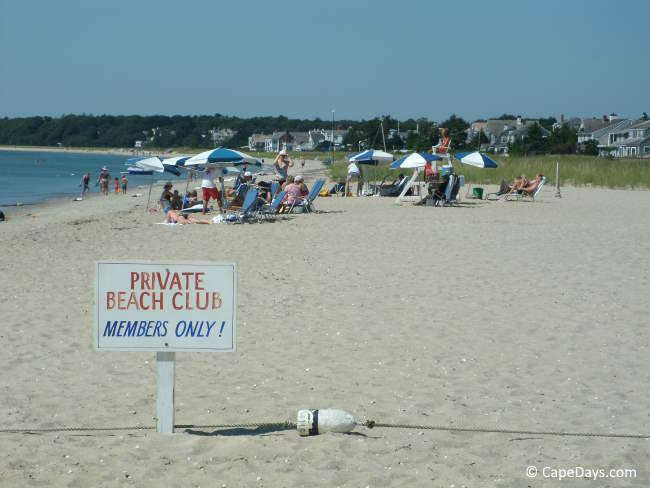
Here’s what you need to know about private, public and "residents only" beaches on Cape Cod.
Private Beaches
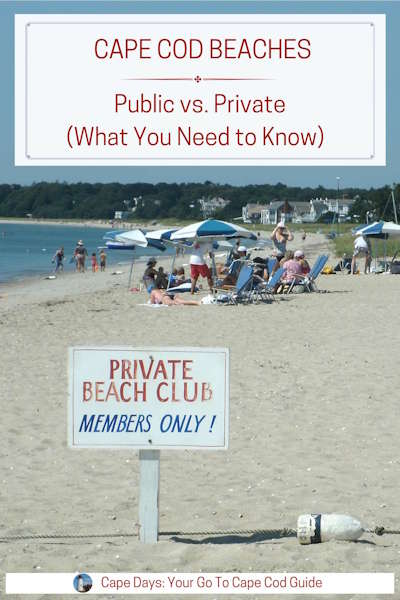
Some stretches of the Cape's coastline are privately owned — usually by an abutting property owner or by a private beach club or association.
If a beach is private, you can’t just plunk your stuff down and settle in for the day without the owner's permission.
That's where things can get a little tricky.
Some owners post "Private" or "No Trespassing" signs. Others don't.
And when a private beach sits right next to a public one, with no signs or clear boundaries, it’s easy to cross the line without realizing it.
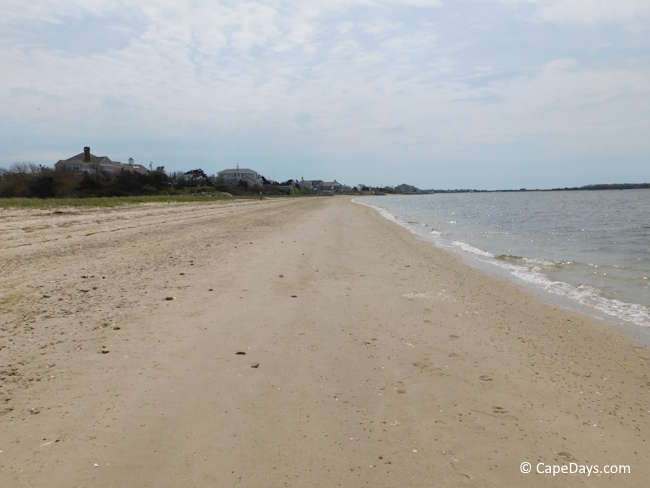 Shoreline as far as the eye can see — and no obvious way to tell which parts are private.
My advice: when in doubt, stick with clearly marked public beaches. Thankfully, there are plenty of them to choose from all over the Cape!
Public Beaches
Virtually all of the Cape's public beaches are open to everyone, residents and visitors alike. That's the easy part.
What's confusing to a lot of people is the term "residents only".
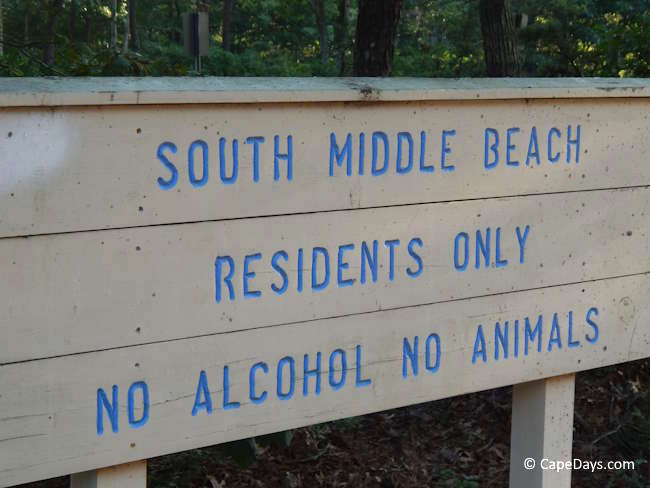 A "Residents Only" sign like this can be easy to misinterpret.
To many visitors, it suggests the beach is only open to people who live here. But that's not how it works.
What "Residents-Only" Actually Means
Most public beaches on Cape Cod are owned and managed by the town where they're located.
At some beaches, the town restricts parking to town residents and property owners during the summer season — typically mid-June through Labor Day.
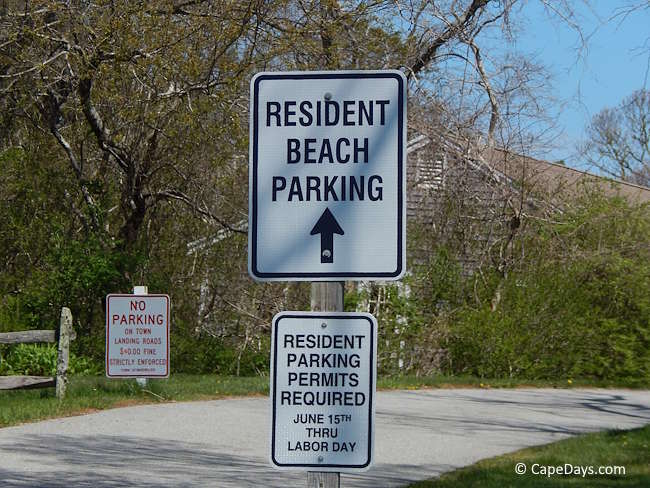
What does that mean for non-residents? Can you still use the beach if you don't live in town?
Yes — as long as you don't plan to park your car in the town lot in the summer months.
Find Public Beaches on Cape Cod
Looking for a beach you can go to without any guesswork? Start with one of these town beach guides:
- Home ›
- Cape Cod Beaches Guide ›
- Public vs. Private Beaches

Search This Site
FTC Disclosure: If you make a purchase via a link on this site, I may receive a small commission on the transaction - at no added cost to you. Thank you!
Recent Articles


-
Cape Cod Events: Festivals, Fairs & More to Do in October 2026
Cape Cod events calendar for October 2026. This month is chock-full of fall festivals, cranberry harvests, arts and crafts fairs, concerts and music ... -
Cape Cod in September: What Visitors Should Know
Wondering what it’s like on Cape Cod in September? Here's the straight scoop on the weather, traffic, beach days, activities, lodging, and dining. -
Cape Cod Events: There's So Much to See & Do in September 2026!
Cape Cod events calendar for September 2026. As summer turns to autumn, it's time for town fairs, harvest festivals, fireworks displays, a big brew ...

Cape Days: Your Go To Cape Cod Guide SM
Copyright 2008-2026 - Doné ("Dee") Young
CapeDays.com
All rights reserved.
* As an Amazon Affiliate I earn from qualifying purchases *
Privacy Policy | Terms of Use | FTC Disclosure | About | Contact | Site Map | Legal
Member of Yarmouth MA Chamber of Commerce